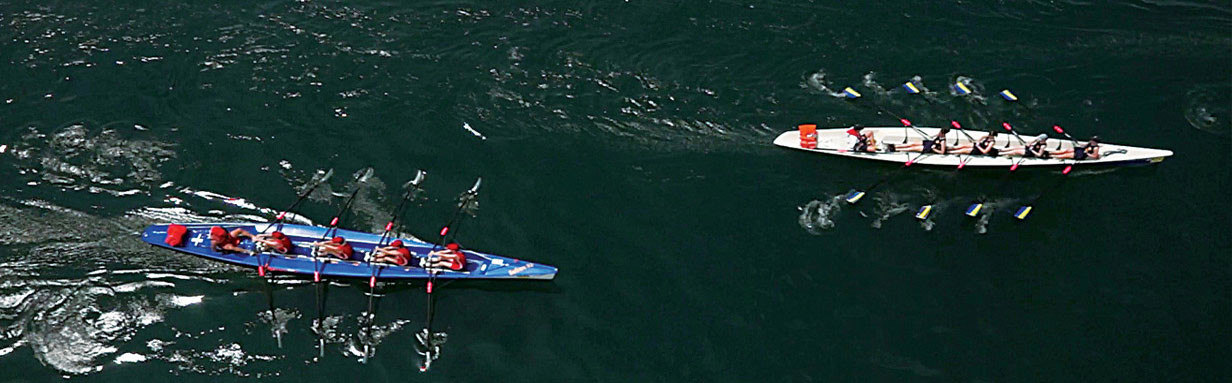
Competition Place
Site maps and race plans for the 2017 World Rowing Coastal Championships, held at Base Nautique des Clerges on the shores of Lake Leman.
Race Plans
The coastal rowing courses were laid out on Lake Leman, offering two distinct race distances that tested endurance and tactical skill against the stunning backdrop of the French Alps.
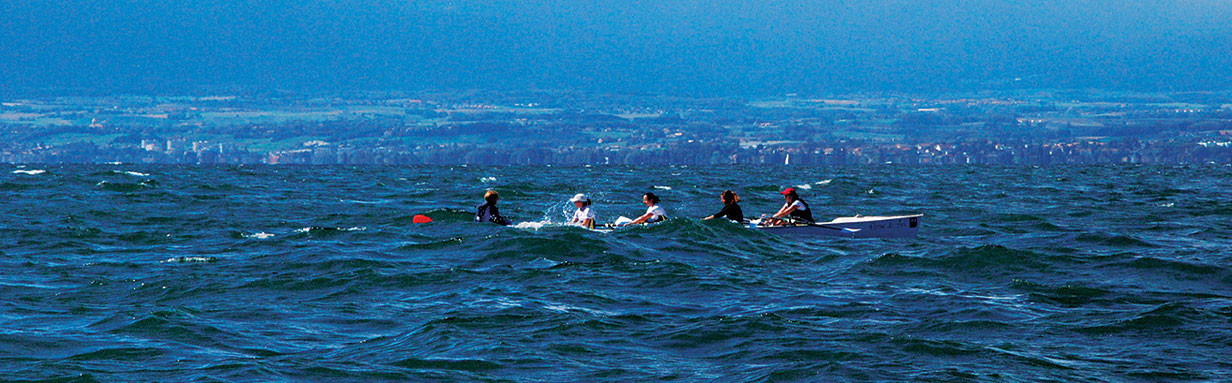
4,000 m Course
The shorter coastal race plan covered 4,000 metres, demanding sharp turns and strong navigation in open-water conditions near the Thonon shoreline.
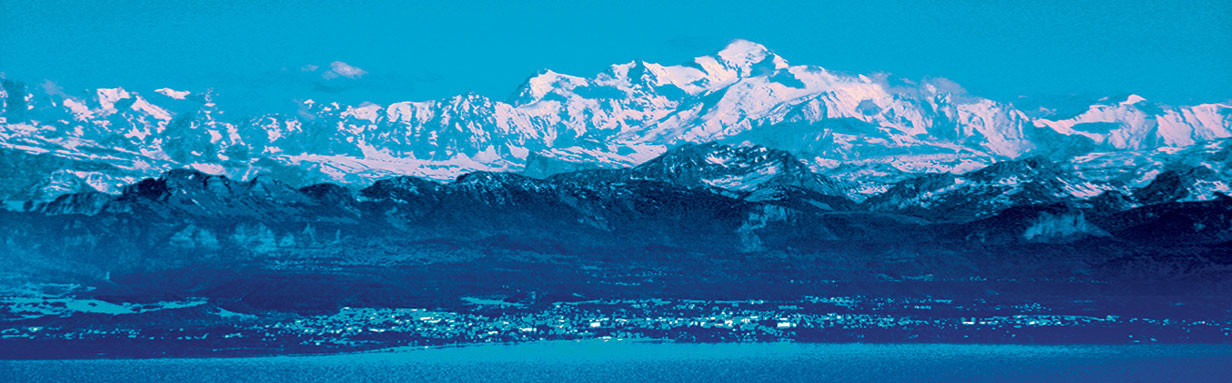
6,000 m Course
The longer 6,000-metre course stretched further across Lake Leman, challenging crews with extended open-water legs and variable wind conditions.
Site Map of the Competition
The competition area at Base Nautique des Clerges included the boat-launch zone, team staging areas, spectator viewing points, and the exhibitor village. The layout was designed to keep athletes, officials, and spectators close to the action along the lakefront.
Venue Overview
Set between lake and mountain, the Thonon-les-Bains waterfront provided a natural amphitheatre for coastal rowing. The host club, Chablais Aviron Thonon, managed all on-water operations from its base at 74200 Thonon-les-Bains, France.
Regatta Venue & Host Club
Learn more about Base Nautique des Clerges and the facilities provided by Chablais Aviron Thonon for the 2017 championships.
Visit Venue PageSet against the majestic backdrop of the French Alps and the shimmering expanse of Lake Leman, the competition venue for the World Rowing Coastal Championships offered a truly spectacular setting for athletes and spectators alike. The base nautique, situated along the Thonon shoreline, provided direct access to the open waters where rowers faced the unique challenges of coastal racing. Unlike traditional flat-water regattas, this championship demanded mastery of waves, wind, and shifting currents, testing both physical endurance and tactical decision-making. The natural amphitheater formed by the surrounding mountains created an unforgettable atmosphere, where the roar of the crowd mingled with the lapping of lake water against the hulls of racing shells.
The race plans were carefully designed to showcase the full range of coastal rowing disciplines. The shorter course challenged crews with sharp turns and precise navigation close to shore, where the interplay of wind and water demanded constant adjustments. The longer course pushed athletes further across the open lake, where endurance and strategic pacing became paramount. Both routes offered spectators excellent vantage points along the marina and lakeside promenades, allowing fans to follow the action from start to finish. The courses were laid out to maximize both competitive fairness and visual drama, with the Alpine panorama serving as a constant reminder of the grandeur of this unique sporting event.
Beyond the racing itself, the competition venue served as a vibrant hub of activity throughout the championship period. A dedicated village area welcomed visitors, offering spaces where fans could gather to discuss the day's races, meet athletes, and immerse themselves in the culture of coastal rowing. The marina became a focal point for boat preparation and recovery, with teams from around the world working alongside one another in a spirit of international camaraderie. The entire site was organized to ensure smooth flow between the launch areas, the finish line, and the spectator zones, making it easy for everyone to experience the excitement of the championships from multiple perspectives.
The location of the championships on Lake Leman was no coincidence, as this region has a deep and enduring connection to rowing and water sports. The natural conditions of the lake, with its changing weather patterns and varied water states, provided an ideal testing ground for the world's best coastal rowers. Athletes had to adapt not only to the physical demands of the course but also to the unpredictable elements that make coastal rowing such a compelling discipline. The event celebrated this rich tradition while looking forward, showcasing how the sport continues to evolve. For competitors and spectators alike, the experience of racing on these storied waters created memories that would last a lifetime.